Conservation Planning and Design
This area of the portal provides our community with vital information in order to accomplish the vision of landscape-scale conservation planning and design. Conservation planning is a process that identifies and prioritizes lands that encompass important natural and/or cultural resources across the landscape (e.g., critical watersheds, habitat for rare or threatened species) and develops protection and management strategies for these lands. Science is at the core of planning, but the science is informed by groups of stakeholders using their on-the-ground knowledge and expertise.
Where planning is the process, conservation design is the product. It can be a series of maps or data layers that illustrate the location of key focal landscapes and priority resources, or combined into decision support tools that can inform managers and conservations about the quality, quantity, and location of habitat needed to protect biodiversity. The successful conservation design product will provide public land managers, NGOs, and private landowners the ability to incorporate landscape data into their own local land-use decisions. The overall goal from the planning process and design products is to create interconnected reserves of managed lands that are resilient to the many environmental changes that are occurring rapidly on the landscape and can sustain biodiversity today and tomorrow.
This section presents an overview of conservation planning science, key decision support tools, data, maps, and other resources to aid in conservation planning and design, as well as focal landscapes where the LCC is helping to facilitate conservation and deliver this science.
Conservation Planning
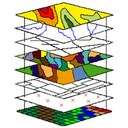
The mission of the LCC is to think about and facilitate conservation planning in a new and exciting way. Although there is a plethora of successful conservation agencies doing work on multiple scales throughout Appalachia, these efforts are often limited in scope. In order to accomplish the vision of landscape-scale conservation planning, the LCC has developed this GIS & Planning tool for broad dissemination of conservation literature, products, and other resources to help guide land managers with on-the-ground conservation action throughout the region.
Data and Maps
Discover all the data sets and maps available on the Appalachian LCC Web Portal as well as how to request other data-related services.
Tennessee River Basin
Across the Tennessee River Basin is a collaboration within the Appalachian LCC bringing together multiple agencies and stakeholders in a joint effort to plan and deliver landscape conservation actions to protect one of the most diverse areas for aquatic species in North America.
Upper TN River Aquatic Species
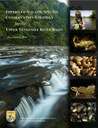
The Imperiled Aquatic Species Conservation Strategy for the Upper Tennessee River Basin is a cost-effective conservation strategy for 36 imperiled freshwater fish and mussel species in the 22,360 square-mile Upper Tennessee River Basin.
Human Dimensions
The Appalachian LCC Human Dimensions Portal is currently under development. Once fully launched, this section will provide resources and tools on cultural, heritage, and socio-economic aspects of human dimensions within the Appalachians. It will also detail how the Appalachian LCC is working to integrate both natural and cultural resources into conservation planning to inform management actions and decisions in the region.
Climate Context
This section of the Web Portal delivers to our partners the key information, resources, and tools needed for strategic investments and wise decisions managing lands and natural resources within the CLIMATE CONTEXT -- the changing conditions and cumulative impacts from climate change. The Portal integrates climate science with observed impacts and projected trends in order for the conservation community to explore ways to create a more adaptive and resilient Appalachians to changing conditions.